Introduction
Every child develops at their own pace. But some early patterns are worth noticing, because support started early helps children thrive. This article is to inform and guide you — it is not a way to diagnose autism. Only a qualified professional can do that.
Signs that may be worth discussing

Limited eye contact or response to their name. Little interest in playing with others, or preferring to play alone. Delayed babbling or speech, or losing words or skills they once had. Repetitive movements, lining up toys, or strong upset at small changes. Not pointing to share interest, or not following where you point. Unusual sensitivity to sounds, textures or light.
Remember the wide normal range
Many children show one or two of these at times and develop typically. It is the overall pattern, and especially losing skills, that matters. Trust your observations over months rather than a single day.
What to do next
Write down what you notice and when. Raise it at your child's regular health check, or book a visit. Ask about developmental screening and, if needed, a referral to a child development specialist. Hearing problems can mimic some signs, so a hearing check is often part of the assessment.
How you help every day
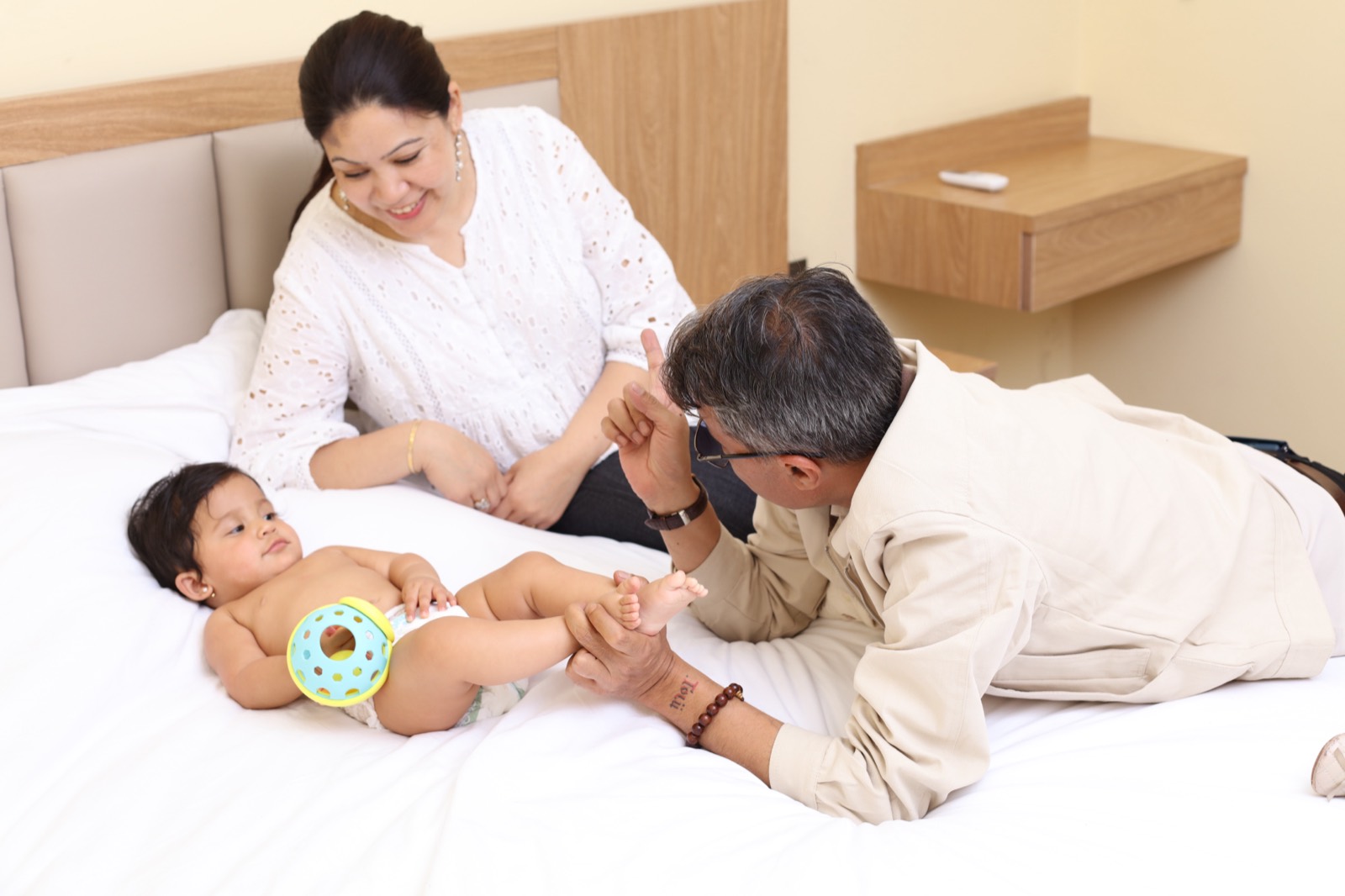
Talk, sing and read to your child often. Get down to their level and follow their interests in play. Keep gentle routines. Celebrate small steps. Early, warm, responsive interaction supports every child, whatever the outcome.
Where support helps
Early support — speech, play-based learning and family guidance — can make a real difference to communication and confidence. Asking early is a strength, not an overreaction.
This article is general information, not a diagnosis. If you have concerns, speak with your doctor or a child development specialist.
Follow your child's milestones with BabyCo's free tracker.
Helpful links for parents
Buy soft baby diaper online | Why BabyCo is best diaper in Nepal | Use BabyCo size finder to get the perfect fit. | Plan monthly diaper packs | Find stores in Nepal